By
By 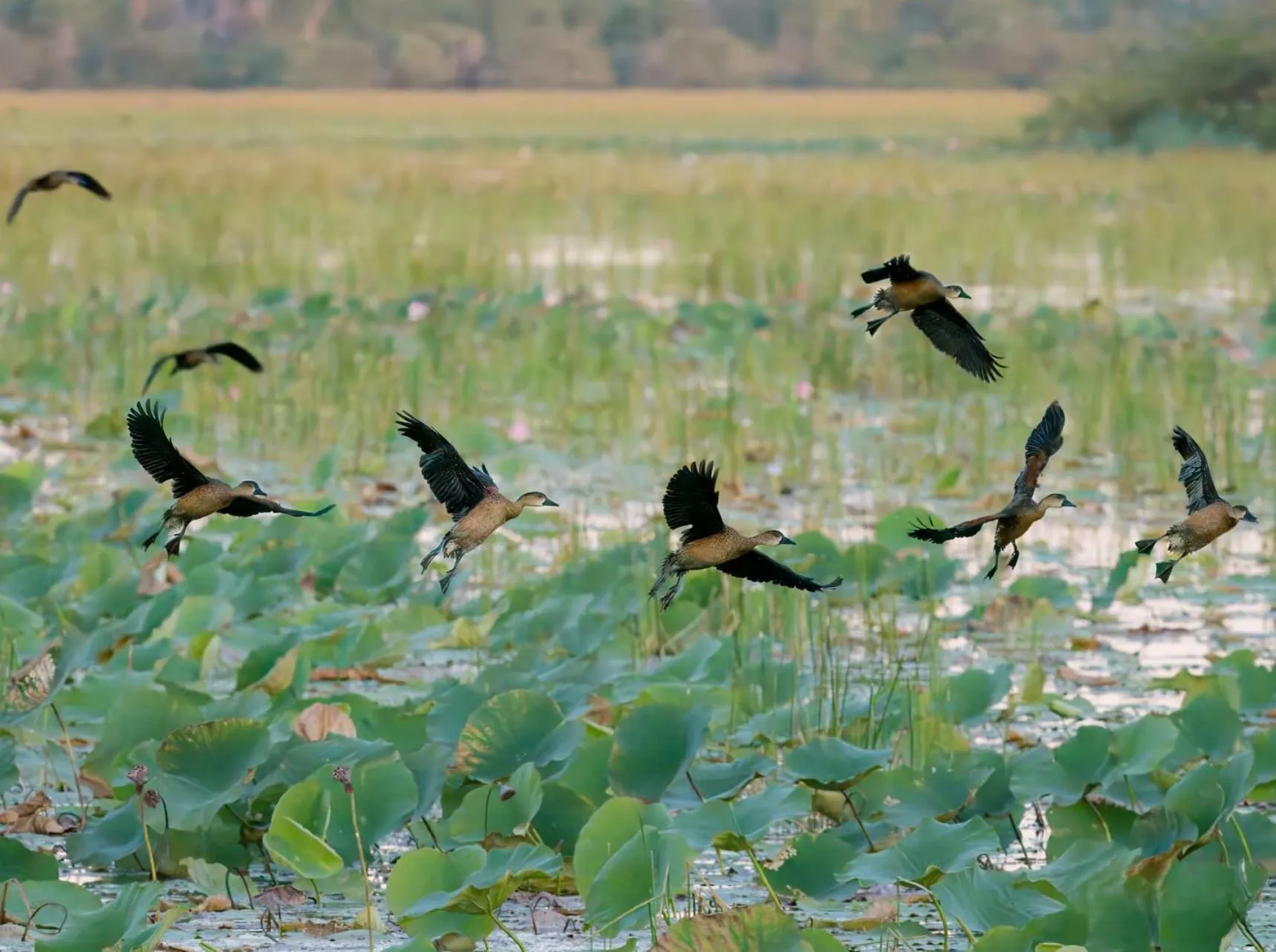
Located in the stunning Kakadu National Park in Australia’s Northern Territory, the Mamukala Wetlands are one of the most ecologically rich and visually amazing wetland systems in the Top End. These incredible wetlands cover several square kilometres and are part of the floodplain system fed by seasonal monsoon rains. The area is famous for its incredible variety of bird life, aquatic plants and cultural sites making it a must-visit for birders, nature photographers and eco-tourists.
The Mamukala Wetlands have great cultural significance to the local Aboriginal people who have been using the area for thousands of years. Interpretive signs and cultural Kakadu tours often show how the wetlands support both the natural environment and Indigenous ways of life. From ancient crocodile hunting to seasonal plant harvesting, the wetlands are a living cultural landscape.
Contents
Size and Seasonal Variations
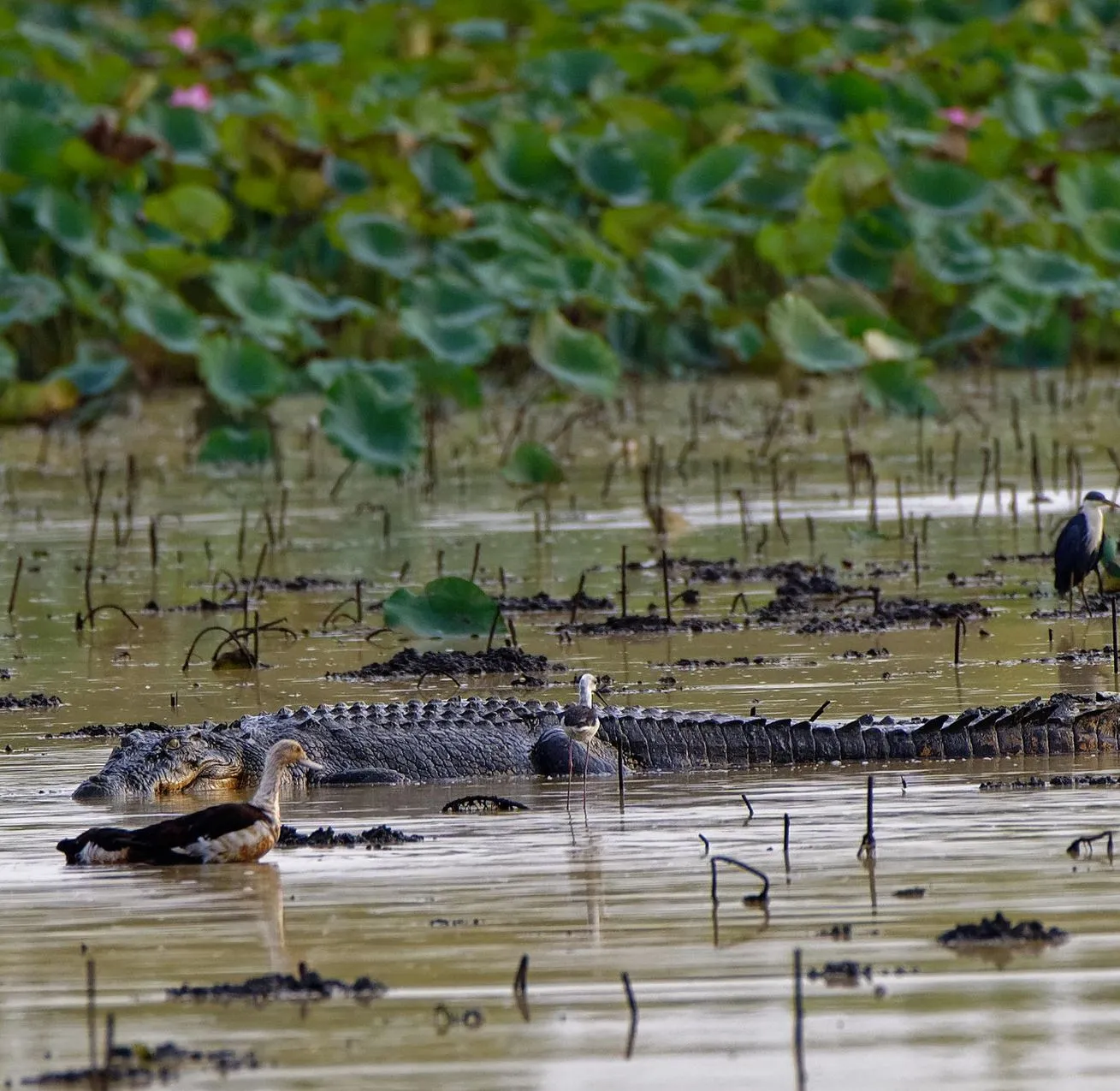
The Mamukala Wetlands are approximately 4-5 square kilometres but the size changes dramatically with the season. During the wet season (November to April) the monsoonal rains turn the wetlands into a vast network of water bodies. In the dry season (May to October) the water recedes and the mudflats and isolated pools concentrate wildlife and offer unique viewing opportunities.
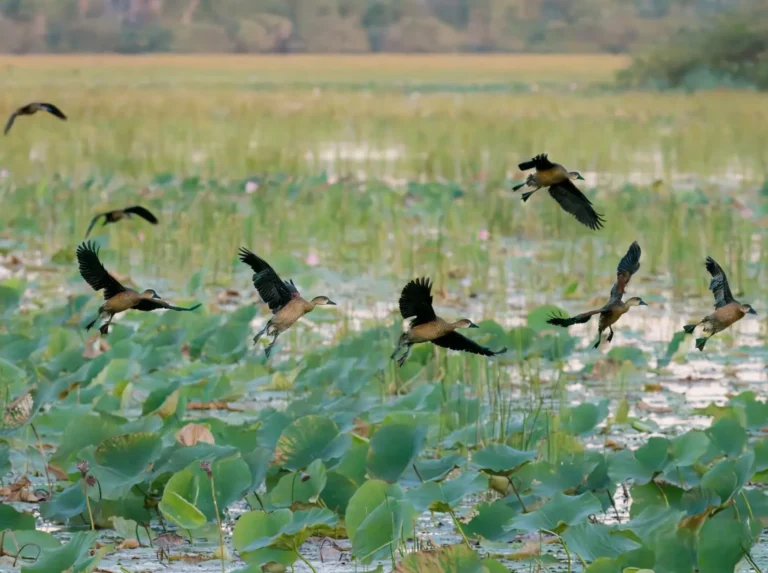
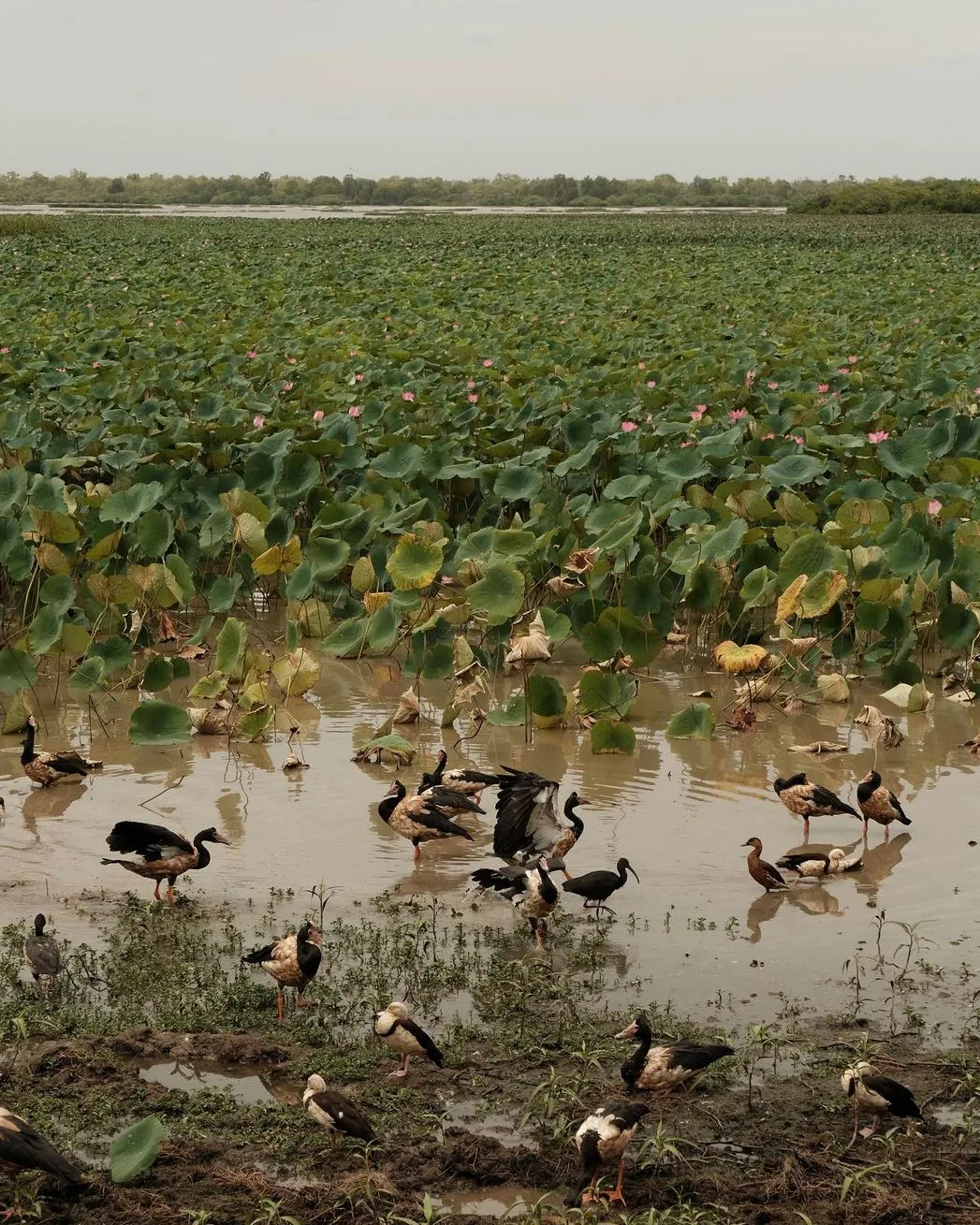
These seasonal changes are crucial to the wetlands’ wildlife. In the late dry season thousands of birds congregate at Mamukala including magpie geese, egrets, herons and many other species of birds. This is one of Australia’s most amazing bird spectacles. Birders can see an incredible variety of water birds and other wildlife during this time best viewed from the Mamukala bird hide.
A Bird’s Paradise
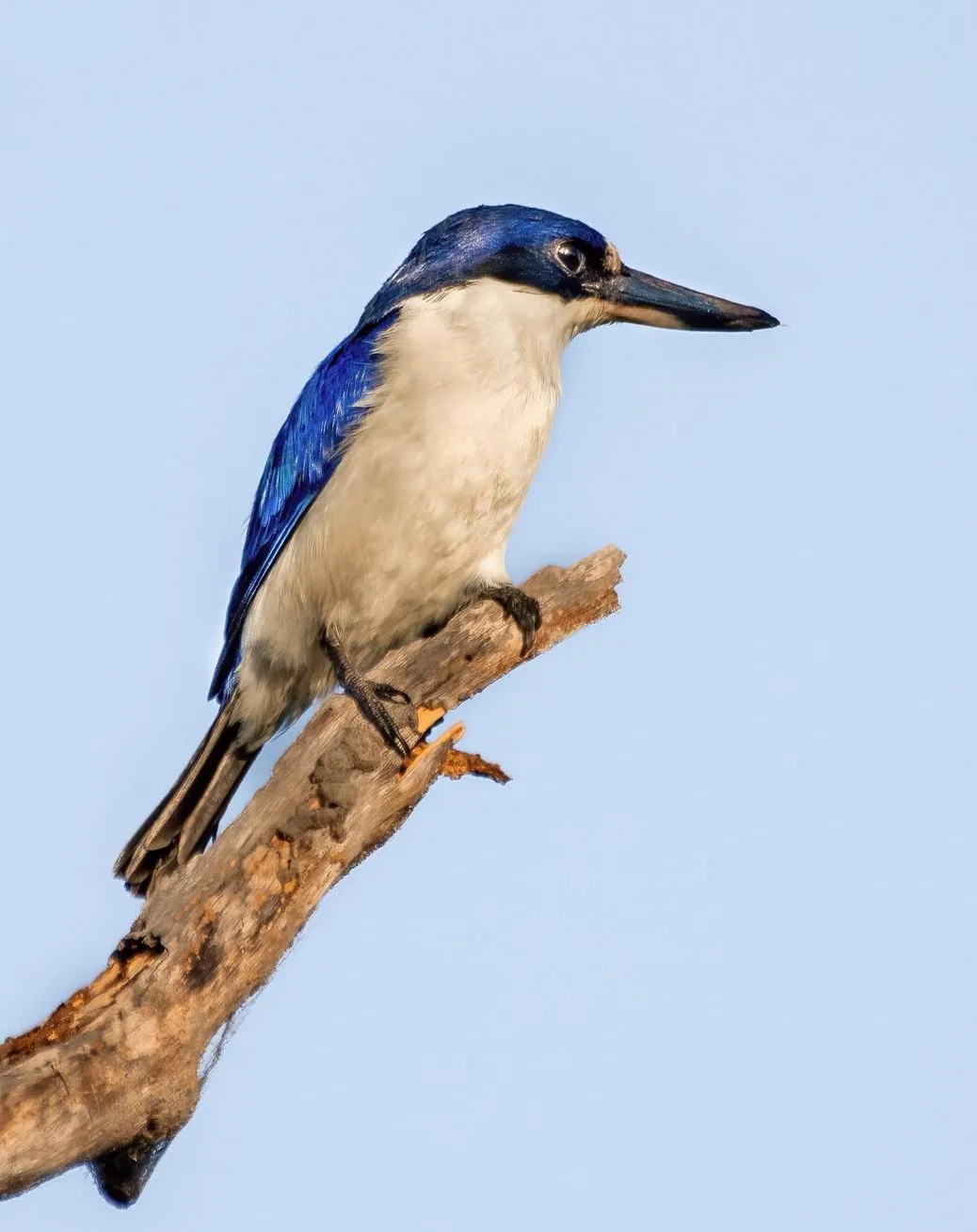
The Mamukala Wetlands are famous for their bird life. Over 200 species have been recorded here making it a birdwatcher’s paradise. Bird watching is one of the most popular activities at Mamukala especially during the bird week activities held annually to celebrate the region’s bird life.
Birders can spot a huge range of birds from the elegant jabiru to the colourful rainbow bee-eater. Seeing lots of birds gathering around shrinking pools in the late dry season is unforgettable. If you want to experience this up close take advantage of the accessible trail to the prime viewing areas. Whether bird in flight or from the bird hide, it’s a photographer and educator’s dream.
Here’s a season-by-season guide:
| Season | Wildlife Highlights | Trail Conditions | Best Activities |
|---|---|---|---|
| Wet Season | Expansive waters, aquatic plants, and migratory birds | Can be muddy/flooded | Scenic flights, photography |
| Early Dry | Receding water, growing concentrations of birdlife | Drying, accessible | Bird watching, walking trail |
| Late Dry | Peak bird numbers, lots of birds, and crocodile sightings | Fully accessible | Bird week activities, bird hide viewing |
Other Wildlife and Ecology
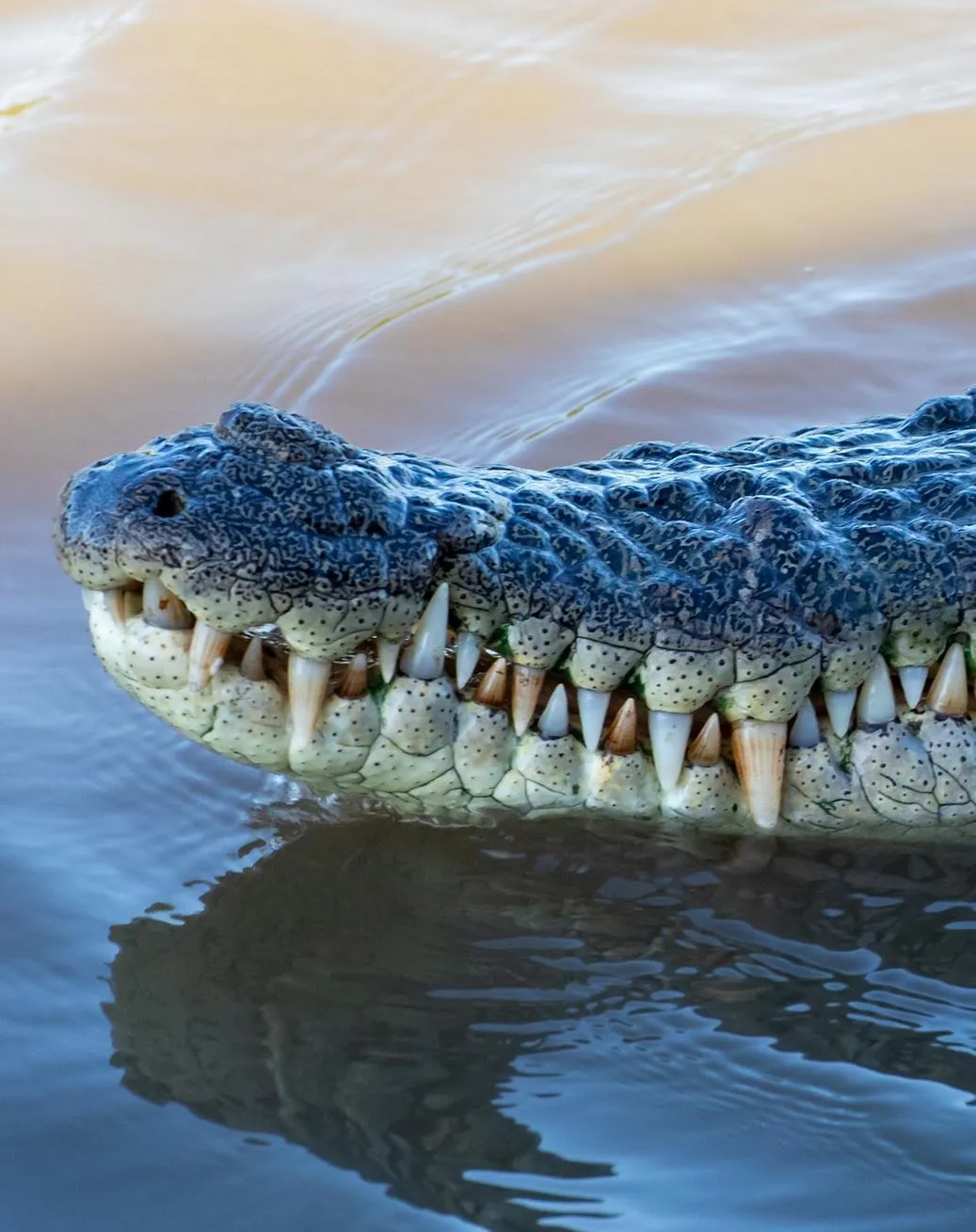
In addition to the amazing bird life, Mamukala Wetlands has other wildlife. Freshwater crocodiles can be seen basking on mud banks, and occasionally crocodiles from the nearby estuaries venture into the wetland edges. So be careful and stay in designated safe areas.
The wetlands have a complex ecosystem with many plants. Aquatic grasses, pandanus palms and aquatic plants thrive in this environment and support not only birds but also fish, turtles and wallabies. This balance of flora and fauna is a showcase of many life forms. Mamukala is an ecological gem of Kakadu.
Visitor Experience
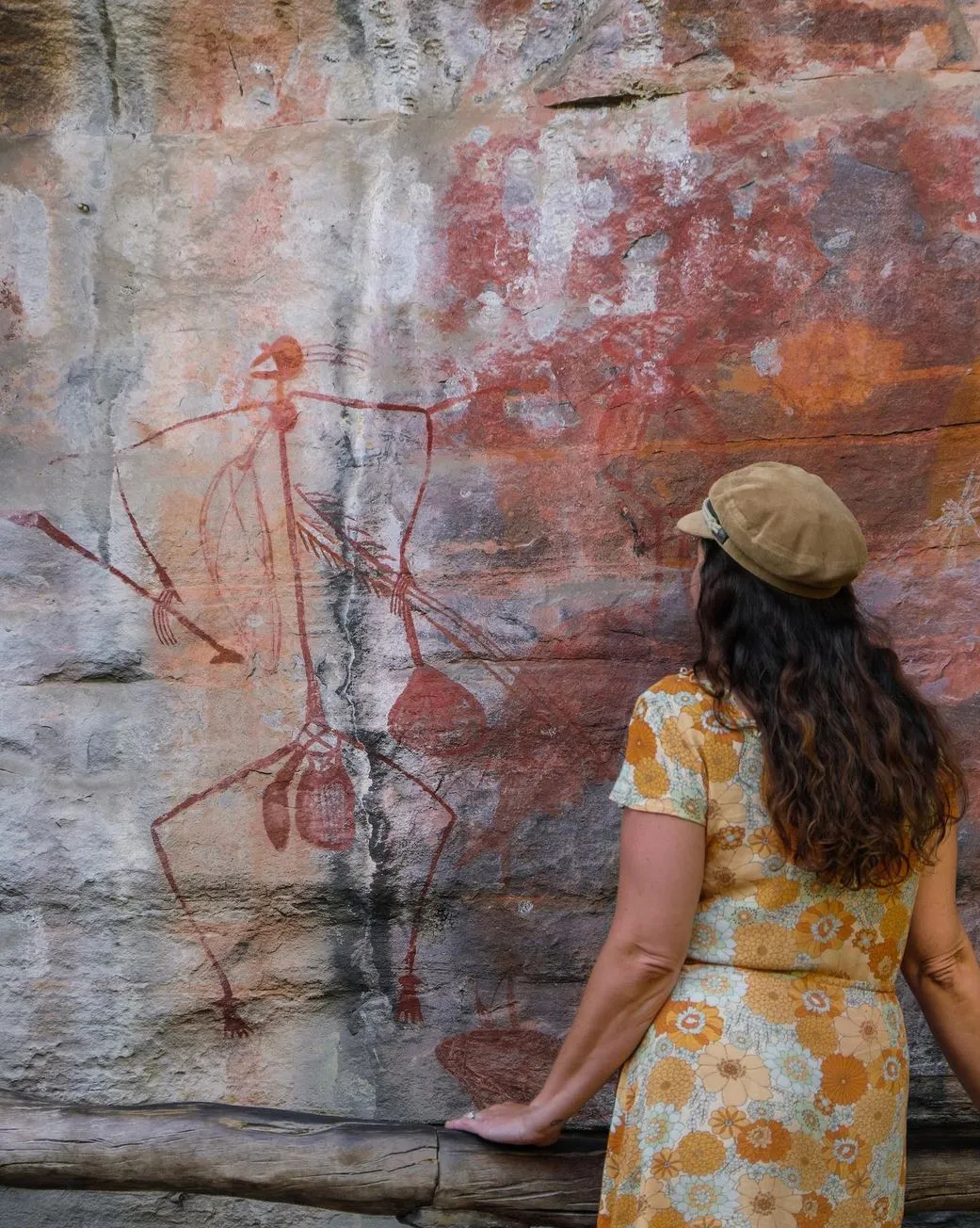
Mamukala is only 30km east of Jabiru on the Arnhem Highway. Its proximity to other famous tourist attractions like Ubirr and Nourlangie Rock makes it a must-see for people who want to experience Kakadu’s natural and cultural wonders.
Many people visiting the Top End include Mamukala Wetlands in their 5 day Kakadu tours from Darwin which cover the region’s top wildlife and cultural hotspots.
The Mamukala observation platform has great views of the wetlands and has interpretive displays that explain the wetland’s seasonal dynamics, cultural significance and biodiversity. The 3km walking trail around the wetland is a peaceful and educational way to explore, suitable for families and adventurers.
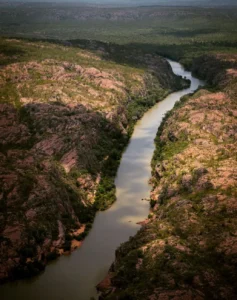
There are hiking trails nearby for those who want to get deeper into Kakadu’s rugged landscapes. Scenic flights over the region give you a bird’s eye view of the wetlands and reveal patterns and waterways not visible from the ground.
Tour operators like Wildlife Tours offer guided tours so you don’t miss any of the highlights of this amazing ecosystem.
A Hidden Gem
For bird enthusiasts in season, cultural heritage or ecological diversity, the Mamukala Wetlands is a must-see. The wetlands are the spirit of the Top End, a unique combination of natural beauty and cultural depth. Whether you love lots of birds, ancient traditional practices or just a peaceful environment with abundant wildlife, Mamukala has it all. Get amongst it.
FAQ
How big are the Mamukala Wetlands?
About 4-5 square km, depending on the wet and dry seasons.
When is the best time to visit the Mamukala Wetlands?
The late dry season (August to October) is best for bird watching as thousands of birds congregate in the shrinking water.
Are there crocodiles in the Mamukala Wetlands?
Yes, freshwater crocodiles and occasional saltwater crocodiles. No swimming.
How do I get to Mamukala Wetlands?
30 km east of Jabiru on the Arnhem Highway. Easy to get to by car.
Is there a walking trail at Mamukala?
Yes, a 3km loop. Great wildlife viewing and scenic wetland views.